Drop It All or Drip It Out: How Binge Culture Is Tearing Fandom's Shared Experience Apart
Remember when a new episode of The X-Files dropping on a Friday night was basically a national event? Fans across the country were watching the same thing, at roughly the same time, with nowhere near enough internet bandwidth to fully lose their minds about it until Monday morning at the water cooler. That shared clock — the week between episodes — was practically a feature, not a bug. It gave fandom time to breathe, theorize, and argue.
Then streaming happened. And now you can finish an entire season of a sci-fi series before your pizza delivery even arrives.
That's not inherently bad. But it is different in ways that are fundamentally rewiring how fan communities form, function, and sometimes fracture.
The Old Rhythm Had a Purpose
Weekly episodic releases weren't just a scheduling quirk of broadcast television — they were the architecture of fan engagement. Between episodes of Battlestar Galactica or Lost, forums exploded. Fan wikis got updated in real time. Reddit threads stretched for thousands of comments. Conventions had panel discussions fueled by the collective experience of "did you see what happened last week?" Everyone was more or less on the same page.
That shared timeline created a kind of community gravity. You couldn't get too far ahead of anyone else because there was no "ahead" to get to. The story unfolded at the same pace for everyone, which meant conversations had stakes. Spoilers were genuinely dangerous. Theories had a full week to marinate before being confirmed or demolished.
"There's something almost ritualistic about the weekly wait," says Marcus, a longtime sci-fi convention organizer based in Austin, Texas, who's been running regional cons for over a decade. "People showed up to my panels still buzzing from the episode that aired three days ago. That energy was electric. Now I'm never sure who's finished the season and who's two episodes behind."
Binge Watching Isn't the Enemy — But It Changes Everything
To be fair, binge culture has real upsides for fandom. Streaming removed the barrier of having to catch every episode live or rely on spotty DVR recordings. Accessibility went way up. Shows that might have lost casual viewers between weeks now retain audiences who can just... keep going. And for deeply serialized sci-fi — the kind where every episode builds on the last — watching in long sessions can actually make the storytelling hit harder.
But here's the tension: when a show drops all at once, the communal experience compresses into a single frantic weekend. Everyone rushes to finish before the spoilers flood their timeline. There's a brief, intense window of shared fandom — and then it's over. The discourse that used to stretch across months collapses into days.
Jamila, a sci-fi fan and active member of several Discord communities in the Pacific Northwest, describes it this way: "With weekly shows, I had time to fall in love with characters. I'd spend seven days thinking about them between episodes. With binge releases, I watch the whole thing and then feel kind of empty. Like, what do I do now? The fandom is already moving on."
That emotional compression has real consequences for how deeply fans bond with a story — and with each other.
The Spoiler Cold War
Perhaps the most visible casualty of the binge model is the spoiler landscape. In the weekly era, spoiler etiquette had a natural expiration date: once the next episode aired, last week's events were fair game. Everyone knew the rules.
Binge releases blew that up. Now fan communities are constantly fractured into camps — those who mainlined the whole season in 48 hours and those who are pacing themselves. Convention panels have become minefields. Online fan spaces require elaborate spoiler tags that don't always get used. Discord servers have spun up dedicated "no spoilers" channels that feel like trying to hold back a flood with a paper bag.
"I had to basically go dark on social media for two weeks after a major sci-fi show dropped last year," says Derek, a cosplayer from Chicago who frequently attends Midwest conventions. "I wanted to savor it. But the fandom just... moved on without me. By the time I finished, everyone had already formed their opinions and the conversation felt closed."
That "closed conversation" problem is subtle but significant. Fandom thrives on the back-and-forth of discovery — the collective gasp, the shared confusion, the group effort of piecing together a mystery. Binge culture accelerates that process to the point where latecomers feel like they're arriving at a party that already ended.
Theory-Crafting in the Age of the Instant Reveal
One of fandom's great joys is the theory. Whether it's obsessing over who the killer is, what the strange signal means, or whether a beloved character faked their death — speculation is the lifeblood of engaged sci-fi communities. Weekly releases gave those theories room to grow, get debated, and sometimes go completely viral before the next episode either validated or destroyed them.
Binge releases compress that window dramatically. Theories posted on a Tuesday morning are often confirmed or debunked by Tuesday night. There's less room for the slow-build speculation that used to define forums like Reddit's r/television or dedicated fan wikis.
"The theory game has changed completely," says Marcus. "It used to be that a good theory could live for weeks. Now you post something, and someone replies 'already answered in episode seven' within the hour. The joy of not knowing is getting shorter and shorter."
Some fan communities have tried to push back, organizing voluntary "watch parties" that follow a weekly schedule even for fully released seasons — a kind of analog nostalgia for the episodic experience. It's a creative workaround, but it requires a level of collective discipline that's hard to maintain.
What Conventions Are Doing About It
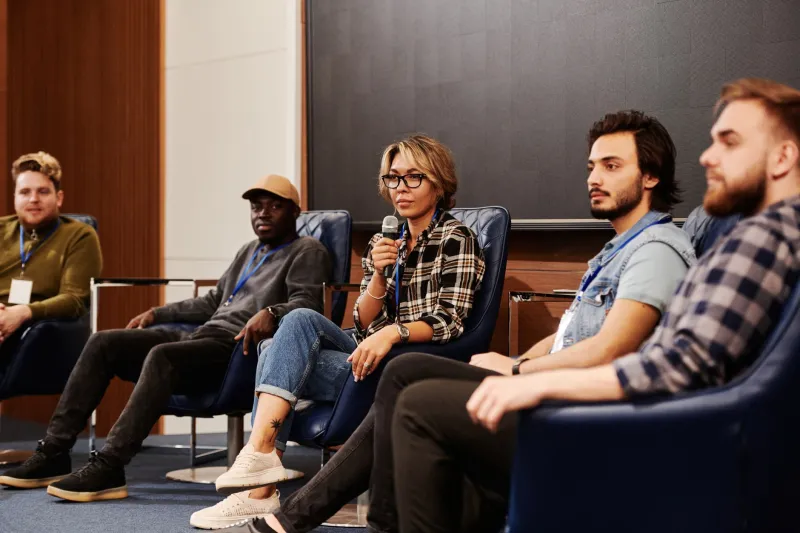
The binge era has also forced convention programming to adapt. Panel organizers can no longer assume a shared viewing timeline among attendees. Spoiler policies have gotten more elaborate. Some conventions have started offering "catch-up screening rooms" where fans can watch recent episodes in a communal setting before attending panels — essentially recreating the weekly ritual in a compressed con-weekend format.
It's a clever solution, and it points to something important: fandom wants the shared experience. The binge model may be convenient, but there's genuine hunger for the communal rhythm that weekly releases provided. Fans aren't abandoning that desire — they're finding creative ways to manufacture it.
Faster Isn't Always Deeper
The honest truth is that binge culture and weekly releases aren't equally good at building fandom — they're good at building different kinds of fandom. The binge model creates intense, fast-burning communities that flare hot and fade quickly. The weekly model builds slower, steadier fan ecosystems with longer shelf lives.
Neither is wrong. But as more sci-fi content moves to streaming platforms that favor the all-at-once drop, fandom communities are going to keep wrestling with how to maintain the connective tissue that makes being a fan more than just watching a show alone on your couch.
Because at the end of the day, that's what Hyperspace Fandom is really about — not just consuming stories, but experiencing them together. And that's worth protecting, even if it means waiting a week.