Your Favorite Character Is Held Hostage by a Streaming War You Didn't Sign Up For
Imagine spending a decade invested in a sci-fi character. You've watched every episode, read every tie-in novel, maybe even built a cosplay around them. Then one day, out of nowhere, half their story is locked behind a platform you don't subscribe to — owned by a studio that had nothing to do with the original series. No crossover. No easy bundle. Just a wall.
Welcome to the franchise divorce era, and honestly, fans are getting the worst end of the settlement.
How We Got Here
The roots of this mess go back further than most people realize. Licensing agreements in Hollywood have always been complicated, but the explosion of streaming platforms over the last decade turned a slow-burning problem into a full-on crisis. When major studios started acquiring each other at a dizzying pace — think Disney swallowing Fox, Amazon absorbing MGM, Comcast tightening its grip on NBCUniversal — the intellectual property attached to those deals didn't always travel cleanly.
Character rights, in particular, are notoriously messy. A single fictional person can have their TV rights owned by one company, their film rights held by another, their merchandise controlled by a third, and their comic or novel adaptations sitting in a completely separate legal bucket. This isn't a new phenomenon, but streaming has made the consequences visible in ways that used to stay buried in trade publications.
Now fans feel it directly, in their monthly credit card statements.
The Impossible Viewing Puzzle
Here's where it gets genuinely frustrating. When a character's arc gets split across platforms, there's rarely any coordination between the storytelling teams. You might watch the first chapter of someone's journey on one service, then discover the continuation exists on a competitor — written by different writers, shot with a different visual language, sometimes contradicting established lore entirely.
The viewing order becomes a puzzle that no official source will actually solve for you. Fan wikis and Reddit threads end up doing the work that studios should be doing. Community members build elaborate spreadsheets mapping out which subscriptions you need, in what order, to follow a coherent narrative. That's a remarkable amount of unpaid labor being donated just to compensate for corporate dysfunction.
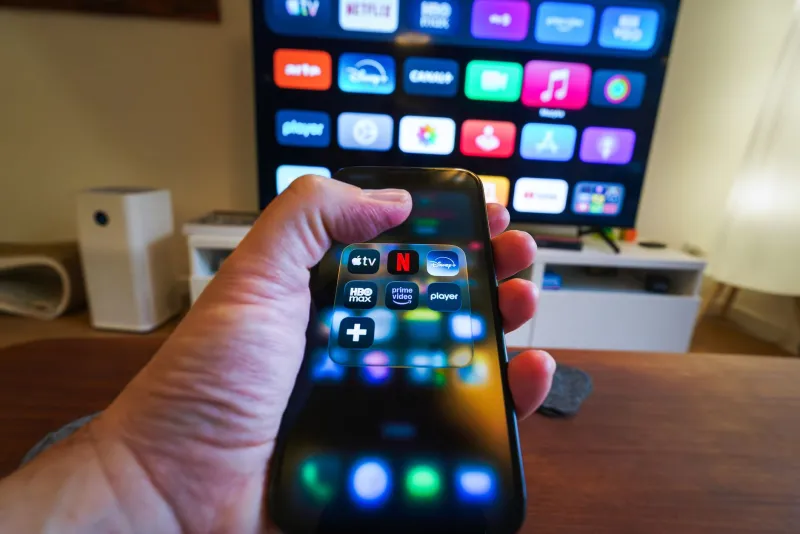
And the cost adds up fast. If following a single franchise requires three separate subscriptions — say, somewhere in the neighborhood of $15 to $18 each per month — you're looking at $50-plus just to stay current on one story. For casual fans, that math doesn't work. For dedicated ones, it breeds resentment even as they keep paying.
When the Character Becomes the Casualty
The real damage isn't financial, though. It's narrative.
When character rights get split between competing corporate owners, the people making creative decisions about that character stop talking to each other. Continuity breaks down. Personality traits get reinterpreted. Story threads that were clearly being set up in one property get ignored — or actively contradicted — in another.
Fans notice. They always notice. And the conversation that follows in forums, Discord servers, and convention panels tends to be less about excitement and more about damage control. Which version counts? Is this new storyline even canon? Did the writers on this platform even watch what happened over there?
These aren't abstract complaints. They represent a genuine erosion of the shared narrative experience that makes fandom feel like a community in the first place. When there's no single authoritative version of a character's story, the collective mythology that fans build together starts to fragment. You end up with factions — people who only follow one platform's version and dismiss the rest — rather than a unified fan base.
The Fandom Loyalty Equation Is Shifting
Something interesting is happening in response to all of this, though. Fans are making choices that studios probably didn't anticipate.
A growing number of dedicated sci-fi viewers are openly declaring platform loyalty based not on content libraries but on which service has treated their favorite franchise with the most respect. That's a weird inversion of how streaming was supposed to work. The pitch was always "subscribe for content." What fans are increasingly doing is subscribing based on a sense of trust — and canceling when that trust gets broken.
Convention culture is reflecting this shift, too. Panel discussions that used to focus on speculation and excitement now regularly include blunt conversations about corporate ownership. Fans at regional cons are asking creators directly: who actually owns this character right now? What can you even do with them? The answers are often uncomfortably vague, which tells you something about how tangled these situations really are.
What Fans Are Actually Doing About It
Beyond the frustration, the fan community has developed some genuinely creative workarounds. Watch-party organizers now build platform-agnostic viewing guides that treat the whole fragmented landscape as a single, if chaotic, universe. Fan editors have been known to cut together content from multiple sources into coherent character retrospectives — a legal gray area, but one that speaks to real demand.
Fan fiction has also taken on a new function here. When official channels can't deliver a coherent character arc because of licensing headaches, writers in the community step in and fill the gap. It's not a perfect solution, but it keeps the emotional connection alive while studios sort out their boardroom drama.
There's also growing pressure on studios from organized fan groups to be more transparent about rights situations upfront — before a series launches, not after fans are already invested. A few creators have started voluntarily flagging these constraints in interviews, which the community has largely received as a gesture of good faith even when the underlying situation is frustrating.
Nobody's Coming to Save You From This
Here's the honest part: this problem isn't going away anytime soon. Consolidation in the entertainment industry is still accelerating, not slowing down. More acquisitions mean more rights getting reshuffled. More reshuffling means more characters caught in the crossfire.
Regulators have shown limited appetite for intervening in ways that would directly benefit consumers navigating fragmented content ecosystems. And the platforms themselves have no financial incentive to make it easier for you to watch content on a competitor's service.
What fans have, as always, is each other. The community infrastructure that's grown up around these franchise splits — the wikis, the viewing guides, the Discord channels dedicated to untangling canon — is genuinely impressive. It's also kind of exhausting that it has to exist at all.
Following a character you love shouldn't feel like filing taxes. But until the industry figures out that fragmenting beloved universes drives away the exact audience it depends on, fans are going to keep doing the hard work of keeping these stories coherent — one spreadsheet at a time.