Small Con, Big Payoff: The Regional Convention Revolution Quietly Changing How Fandom Spends Its Weekends
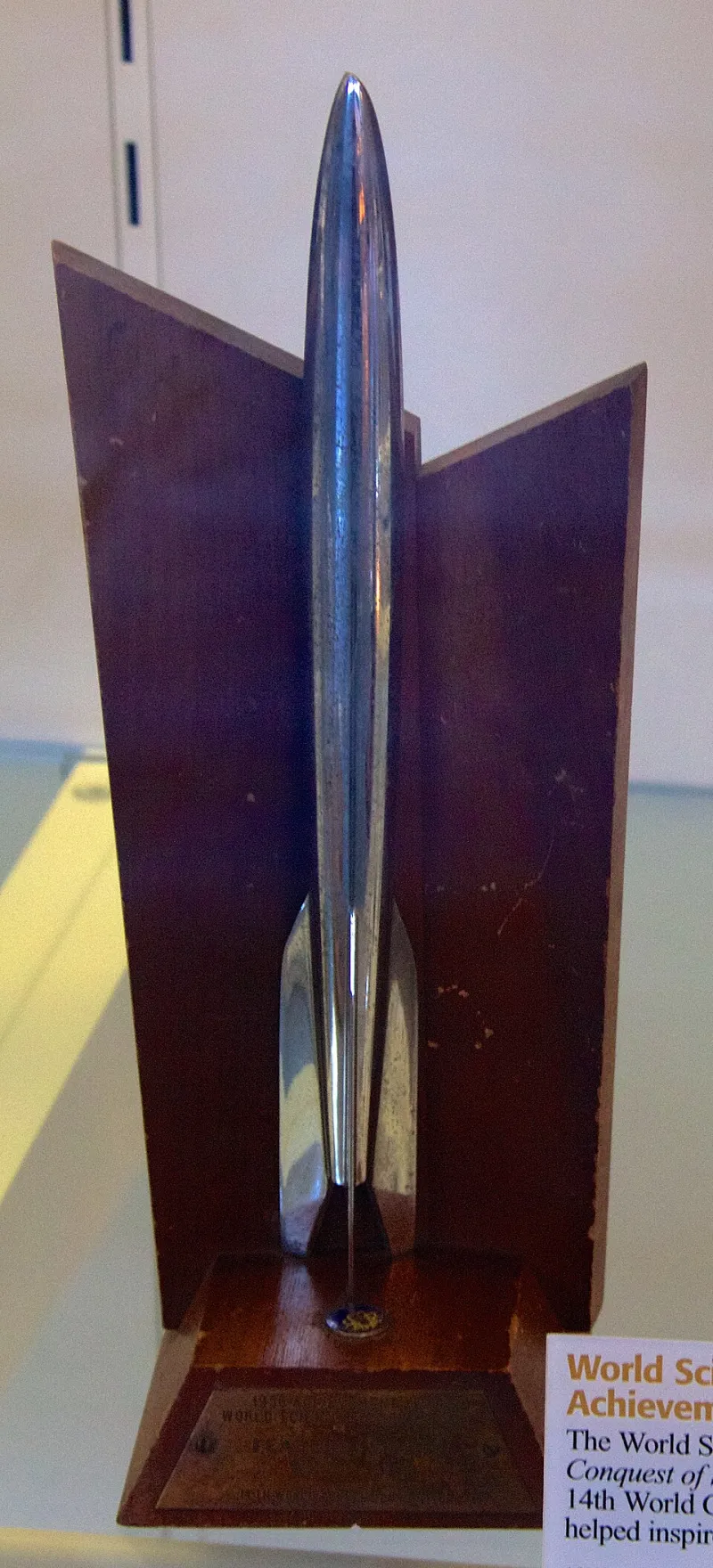
Photo: Photograph by Mike Peel (www.mikepeel.net)., CC BY-SA 4.0, via Wikimedia Commons
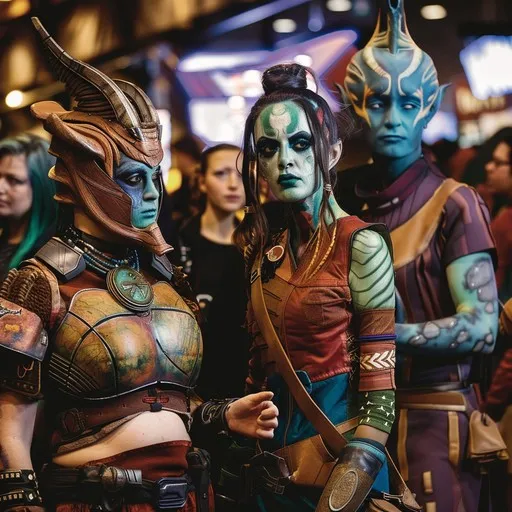
Picture this: a convention center in a mid-sized city — maybe Chattanooga, maybe Spokane, maybe somewhere in central Ohio — packed with a few thousand people who all seem to know each other. The cosplay is incredible. The panels are running on time. The vendor hall is full of independent artists actually making sales. And the organizers? They're not just breaking even. They're reinvesting in next year.
This is the regional sci-fi convention in 2024, and it's having a moment.
While the conversation in fandom media tends to orbit the giants — San Diego Comic-Con, Dragon Con, C2E2 — something genuinely interesting is happening at a smaller scale. Mid-sized and regional events are carving out a sustainable, sometimes surprisingly profitable niche, and the fans who've discovered them aren't exactly rushing back to the mega-cons they came from.
The Economics Nobody Talks About
Running a convention is expensive. That's true whether you're expecting 500 attendees or 50,000. But the cost structure looks radically different depending on your scale, and that difference is where regional cons have found their edge.
A major event in a major city is dealing with venue costs that can run into the millions, celebrity guest fees that climb into six figures per appearance, and logistical overhead that requires a year-round professional staff. The revenue has to be enormous just to cover the baseline. And when something goes wrong — a headliner drops out, a venue has a capacity issue, a global pandemic rewrites everything — the financial exposure is brutal.
Smaller regional cons operate on a fundamentally different math. Venue costs in secondary and tertiary markets are a fraction of what you'd pay in New York or Los Angeles. Guest fees are negotiated differently when you're pitching a genuine community experience rather than a massive media spectacle. And the overhead? A surprisingly large number of successful regional cons are still run primarily by volunteers who genuinely love what they're building.
"We cleared more than we expected last year, and we turned almost all of it back into programming," says the organizer of a regional sci-fi con in the mid-Atlantic that's grown steadily over the past five years. "We don't have investors to answer to. We answer to the community."
That last sentence matters more than it might seem.
What Attendees Are Actually Saying With Their Wallets
Fan spending habits have shifted in ways that favor the regional model, and the shift isn't subtle.
The all-in cost of attending a major convention — badge, travel, hotel, food, merchandise — can easily run $500 to $1,500 or more for a single weekend, before you've bought a single autograph or photo op. For a lot of fans, that math stopped working. Post-pandemic, with inflation squeezing discretionary budgets, people started asking harder questions about what they were actually getting for that spend.
Regional cons offer a different value proposition. Lower badge prices. Hotels you can actually afford, or friends' couches you can crash on because the event is close enough to drive to. A vendor hall full of independent creators — people making handmade props, original artwork, custom cosplay pieces — rather than corporate merch booths selling the same mass-produced stuff you can get on Amazon.
And the cosplay community, specifically, has taken notice. Regional cons have become something of a proving ground for costume builders who want real engagement with their work — not just a quick photo in a crowded hallway, but actual conversations, contest judging that feels meaningful, and audiences who are there because they love the craft rather than because they're killing time between celebrity panels.
"At the big shows, I feel like I'm competing for attention," says a competitive cosplayer from the Pacific Northwest who's attended both major and regional events for nearly a decade. "At the smaller cons, people actually stop and ask me how I built things. That's why I got into cosplay in the first place."
The Programming Advantage
Here's something that doesn't get talked about enough: regional cons are frequently better at programming than their larger counterparts.
When you're not trying to fill a convention center with 40,000 people across five days, you can be genuinely intentional about what goes on your schedule. Regional cons can afford to get weird and specific — a panel on the history of practical effects in low-budget sci-fi, a workshop on building foam armor from scratch, a roundtable on Indigenous representation in speculative fiction. These aren't filler. They're the reason certain fans drive four hours to attend.
The intimacy also changes the dynamic between panelists and attendees. At a regional con, the person leading a discussion on worldbuilding in science fiction novels might be sitting in the hotel bar with you two hours later. That kind of access is genuinely rare at the mega-event scale, and fans who've experienced it tend to be pretty vocal about it.
What Organizers Have Figured Out
The regional cons that are thriving share a few common traits, and they're worth paying attention to if you're thinking about your own local scene.
First: they know their audience with real specificity. The most successful events aren't trying to be everything to everyone. They've identified a core community — hard sci-fi readers, tabletop gamers who love space opera, cosplayers focused on a specific era of genre film — and they build everything around serving that community exceptionally well.
Second: they've built genuine relationships with local businesses and venues. Regional hotels and convention centers are often more flexible on pricing and terms when they see a track record of well-run events that bring reliable foot traffic. Those relationships compound over time.
Third: they treat their volunteers like stakeholders, because they are. The volunteer culture at a thriving regional con looks less like free labor and more like a community of people who feel genuine ownership over something they helped build.
"We've had the same core volunteer team for six years," notes one organizer in the Southeast whose event has grown from a few hundred to several thousand attendees. "They're not showing up because we're paying them. They're showing up because this is their con."
What This Means for Your Local Scene
If you've been sleeping on the regional convention circuit, now's a genuinely good time to wake up. The events are better than they've ever been, the community culture tends to be warmer and more accessible than the mega-cons, and your spending actually lands somewhere meaningful — usually back into the event itself or into the pockets of independent artists and makers.
And if you've ever had the vague idea that your city or region could support something like this? The success stories suggest that the bar is lower than you think — not in terms of quality, but in terms of what it actually takes to build something sustainable. You don't need Hollywood money. You need a community that wants a home base, and the willingness to build it.