One Universe, Two Tribes: How Sci-Fi Franchises Are Cracking Down the Middle
There used to be a simple rule in science fiction fandom: if you loved the universe, you loved it together. You argued about which captain was the best, sure, or whether the prequels counted, but at the end of the day you were all citizens of the same fictional galaxy. Lately, though, that shared citizenship is starting to feel a lot more like a contested border.
Across some of the biggest franchises in sci-fi history, fan communities aren't just debating creative choices — they're splitting into entirely separate camps with incompatible ideas about what their franchise even is. And those splits are getting harder to paper over with every new reboot, streaming spinoff, or "reimagined" continuation that lands in the pop culture atmosphere.
When "New Direction" Means a New Fandom Entirely
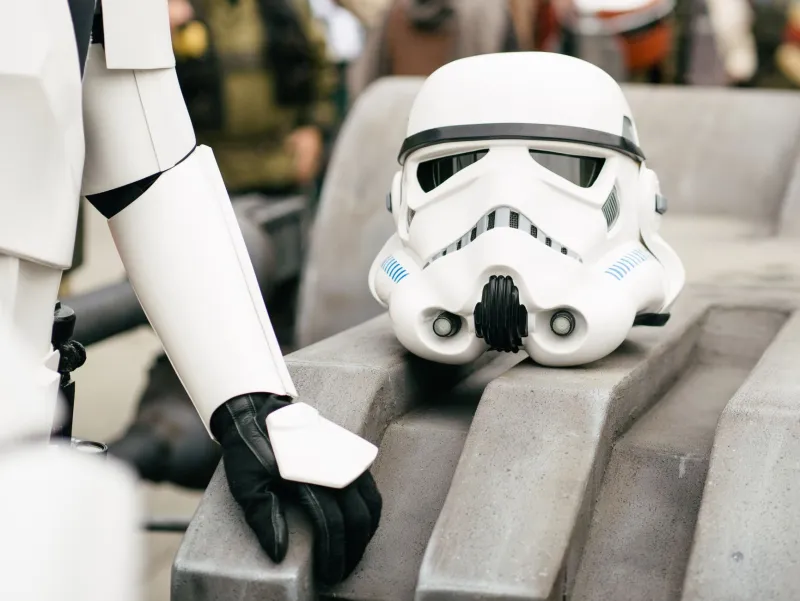
Let's start with the obvious one. Star Wars has been fracturing in slow motion for years, but the Disney era accelerated it dramatically. You've got fans who treat the original trilogy as sacred text and view everything post-1983 with varying degrees of suspicion. Then you've got a second wave — younger, often more diverse — who came in through The Force Awakens, The Mandalorian, or even Andor, and who have a fundamentally different emotional relationship with the IP. These aren't just fans who disagree about plot points. They're operating from different premises about what Star Wars is supposed to be.
Same thing is happening with Star Trek. The Roddenberry-era faithful and the Discovery/Strange New Worlds crowd aren't always watching the same show in any meaningful sense. One group sees a philosophical, slow-burn franchise about humanity's potential. The other sees a fast-paced action-adventure series that happens to have Starfleet uniforms. Neither reading is wrong, exactly — but they're not easy to reconcile at the con panel table.
The Studio's Role in Manufacturing the Rift
Here's something worth sitting with: studios are not innocent bystanders in these splits. When a creative team makes bold, divisive choices — killing beloved characters, retconning established lore, leaning hard into a new aesthetic — they're essentially forcing fans to take a position. You can get on board or you can get off. There's rarely a comfortable middle lane.
Terminator is a textbook case. After T2, the franchise has lurched through so many incompatible continuities that fans have essentially given up on a shared canon. Salvation, Genisys, Dark Fate — each one tried to either ignore or overwrite what came before, and each one peeled off another layer of the original audience while failing to fully replace them with new devotees. What you're left with is a fandom that can't agree on which films even count, let alone what the franchise should do next.
Doctor Who in the US fan community tells a similar story. The classic series faithful and the revival-era fans have always had some tension, but recent seasons have sharpened that divide considerably. Online spaces that used to mix both groups have quietly self-sorted into separate communities, each convinced the other is either gatekeeping or abandoning the soul of the show.
The Convention Floor as a Fault Line
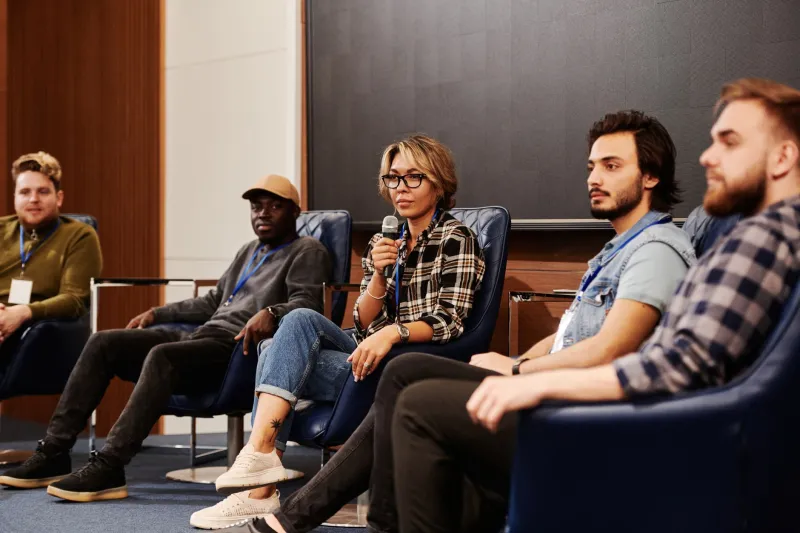
If you want to see these splits in real time, spend a weekend at a major genre convention. Walk through the dealer hall and count how many vendors have carefully curated their merch to appeal to one camp and not the other. Sit in on a franchise panel and watch how quickly the room calculates which "era" the panelists are representing before deciding whether to applaud or cross their arms.
It's not always hostile — fandom is still, at its core, a community built on enthusiasm. But there's a new social awareness in these spaces about which version of a franchise someone is flying the flag for. Cosplay choices signal allegiances. The specific quotes people put on their T-shirts are tribal markers. Even which cast members someone gets excited to see in the autograph line tells you something about where they stand.
For convention organizers, this is genuinely tricky territory. Programming a Star Wars track used to mean celebrating Star Wars. Now it means navigating a room full of people who may have fundamentally opposing feelings about half the content you're covering.
Is Reconciliation Actually Possible?
Here's the honest answer: sometimes yes, sometimes no, and it usually depends on whether the studio does anything to earn it.
The most encouraging recent example might be Andor. That show managed something rare — it brought in viewers who'd been burned by sequel-era Star Wars and gave them something that felt genuinely serious and literary, without asking them to pretend the stuff they disliked didn't happen. It didn't heal the fandom entirely, but it created a temporary commons where people from different camps could stand together and agree that something good was happening.
That's probably the realistic ceiling for reconciliation in a deeply fractured franchise: not a full merger, but occasional shared enthusiasm for specific projects. You're not going to get Star Wars fans to unanimously agree on a unified canon at this point. But you might get them to collectively lose their minds over a well-executed limited series. That's not nothing.
The franchises that seem beyond repair are the ones where the studio has burned through goodwill without replacing it — where the splits have calcified into identity positions that predate any specific creative decision. At that point, the fandom isn't really fighting about the show anymore. They're fighting about who gets to call themselves the real fans, which is a battle with no winners.
Living With the Divide
For fans who genuinely love a franchise across its different eras, this situation is exhausting. Having to constantly explain which version of something you're a fan of, or defend your enthusiasm to people who think you're supporting the "wrong" side, takes the joy out of what's supposed to be a fun hobby.
The healthiest communities seem to be the ones that have found ways to hold multiple versions of a franchise simultaneously — treating different continuities as parallel universes rather than competing claims to a single truth. It's a more flexible, maybe even more sophisticated way of being a fan. And honestly, given that these franchises are going to keep getting rebooted and reimagined as long as there's money in them, it might be the only sustainable approach.
Because studios aren't going to stop making bold swings that divide audiences. That's the business model now. The question is whether fandom can build enough goodwill infrastructure to absorb those swings without tearing itself apart every single time.
Some franchises will manage it. Others are already too far gone. And the rest of us will keep showing up at conventions, wearing our allegiances on our sleeves, and hoping someone at the panel has the good sense not to ask which timeline everyone prefers.