Stitches, Servos, and Side Hustles: Inside the Booming Business of Convention Cosplay
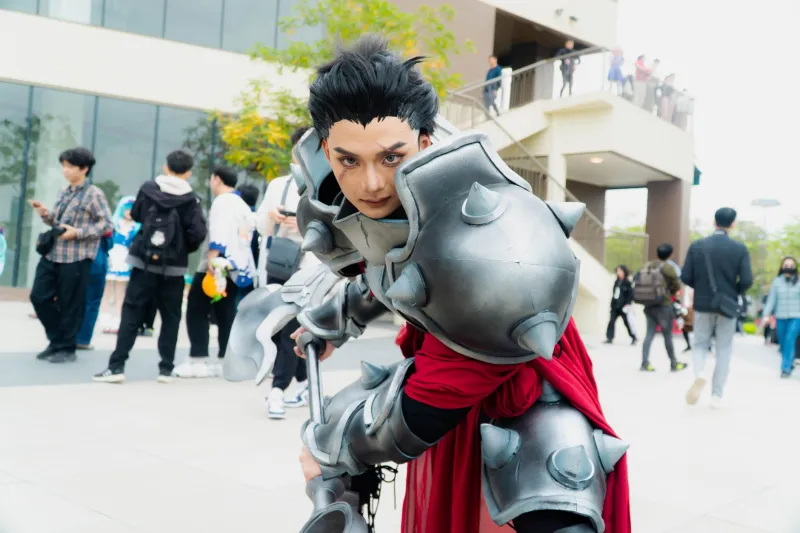
Walk the vendor hall at any major sci-fi convention — Dragon Con, C2E2, Emerald City Comic Con — and you'll notice something that wasn't nearly as visible a decade ago. Tucked between the autograph tables and the official merchandise booths, there's a whole other economy humming along. Artists selling hand-cast resin props. Makers hawking 3D-printed helmet kits. Seamstresses taking commissions on the spot for full armor builds that won't ship until spring. This isn't just hobbyist enthusiasm spilling over. For a growing number of people in the sci-fi fandom community, it's a livelihood — or at least a serious attempt at one.
The cosplay economy doesn't get a lot of mainstream attention, but it's real, it's surprisingly complex, and it's worth understanding if you care about the future of fan culture.
From Passion Project to Profit Center
The path into cosplay commerce usually starts the same way: someone gets really, really good at making things, people start asking where they got their costume, and eventually someone asks if they'll make one for them. That moment — the first paid commission — is when the hobby starts to feel like something else.
Take makers operating out of home workshops across the country who've built full-time businesses doing exactly that. A maker in the Pacific Northwest might spend evenings and weekends producing foam-and-Worbla armor sets inspired by video game and sci-fi franchises, selling finished pieces through a combination of Etsy, Instagram, and convention appearances. A 3D printing specialist in the Midwest might offer modular helmet files for digital download alongside fully printed and painted builds for buyers who don't own printers. A theatrical seamstress in the Southeast might run a commission waitlist stretching six months out, specializing in screen-accurate fabric costumes from beloved TV franchises.
None of these are hypotheticals — they're representative of a real and growing segment of the maker community. The platforms supporting them have expanded too. Etsy remains a go-to, but Gumroad, Ko-fi, Patreon, and even TikTok Shop have opened new revenue channels. Some makers have built YouTube audiences around their build process, monetizing tutorials while simultaneously advertising their commission services. The hustle is layered.
The Numbers Nobody Talks About
Here's where it gets complicated. The cosplay economy looks thriving from the outside, but the financial reality for most makers is genuinely difficult to sustain.
Materials costs have climbed sharply. Thermoplastics, quality fabrics, resin, electronics for LED and servo builds — none of it is cheap, and pricing it correctly is a skill in itself. Many newer makers chronically underprice their work, either because they're afraid of losing customers or because they haven't fully accounted for their time. Charging $150 for a build that took 40 hours of labor isn't a side hustle — it's working for less than minimum wage.
Convention booth fees add another layer of pressure. A single vendor table at a large regional convention can run several hundred dollars before you've sold a single item. Travel, lodging, and the cost of transporting fragile handmade goods push that number higher. Makers who rely heavily on in-person sales have to move serious volume just to break even on the weekend.
Then there's the platform cut. Etsy's fee structure has drawn consistent criticism from sellers, with transaction fees, payment processing, and optional advertising costs collectively eating into margins that were already thin. Some makers have migrated toward direct sales through their own websites or social media, but that requires building and maintaining an audience — which is its own unpaid job.
The Copyright Elephant in the Room
Anyone who's spent time in cosplay maker spaces knows this topic comes up constantly and never gets fully resolved: the intellectual property question.
The characters and designs that drive cosplay demand are, almost universally, owned by major studios and corporations. Marvel, Disney, Lucasfilm, Warner Bros., Nintendo — these companies hold the trademarks and copyrights on the visual designs that cosplayers spend hundreds of hours recreating. Legally speaking, selling costumes or props based on those designs exists in genuinely murky territory.
In practice, enforcement is inconsistent and often depends on scale. A maker selling a handful of handmade Mandalorian helmets per year is unlikely to attract corporate legal attention. A maker operating a high-volume shop with professional marketing and thousands of sales is a different story — and there are documented cases of Etsy shops receiving takedown notices tied to IP claims.
Most experienced makers navigate this by operating in the gray zone: describing items as "inspired by" rather than directly referencing franchise names, avoiding exact screen-accurate replicas in favor of stylized interpretations, and keeping a low enough profile that enforcement remains unlikely. It's not a comfortable position, and it's one that the fandom community has largely had to figure out on its own without much legal guidance designed for small makers.
Authenticity, Innovation, and the Pressure to Keep Up
Beyond the legal and financial pressures, there's a creative tension baked into cosplay commerce that's harder to quantify but just as real.
The audience for commissioned cosplay work tends to have strong opinions about accuracy. Buyers who spend significant money on a commission want something that looks like the thing they love — not a vague approximation. That expectation creates pressure on makers to stay deeply current with source material, which means constantly watching new releases, tracking design updates across sequels and reboots, and sometimes rebuilding expertise from scratch when a franchise redesigns a beloved character.
At the same time, the market rewards novelty. Makers who can offer something fresh — a clever mashup, an original design that fits the aesthetic vocabulary of a beloved franchise, a construction technique nobody else has cracked yet — tend to develop the most loyal followings. The best commercial cosplay makers are simultaneously archivists of existing designs and genuinely creative designers in their own right.
There's also a quieter tension around identity. Many makers got into this work because they loved building things for themselves and their community. Turning that into a business changes the relationship with the craft. Suddenly you're not building what excites you — you're building what sells. Some makers find that energizing. Others find it quietly draining, and more than a few have stepped back from commercial work to protect the part of the hobby that still feels like play.
A Community Worth Supporting
None of this is meant to be discouraging. The cosplay economy, messy and complicated as it is, represents something genuinely valuable: fans converting deep expertise and creative skill into real economic activity, largely outside the structures of traditional entertainment industry employment.
For the broader sci-fi fandom community, that matters. When you commission a costume, buy a prop from a maker's table, or purchase a digital file from someone's Gumroad page, you're directly funding the people who make conventions feel alive. You're supporting a form of cultural production that the studios themselves don't fund and couldn't replicate.
The makers doing this work deserve more visibility, more realistic pricing conversations, and honestly, better legal frameworks than currently exist. In the meantime, they're doing what sci-fi fans have always done — improvising, adapting, and building something remarkable out of whatever materials are available.
Which, when you think about it, is pretty much the whole spirit of the thing.