Scattered Across a Dozen Platforms, Sci-Fi Fans Are Building Their Own Discovery Networks From Scratch
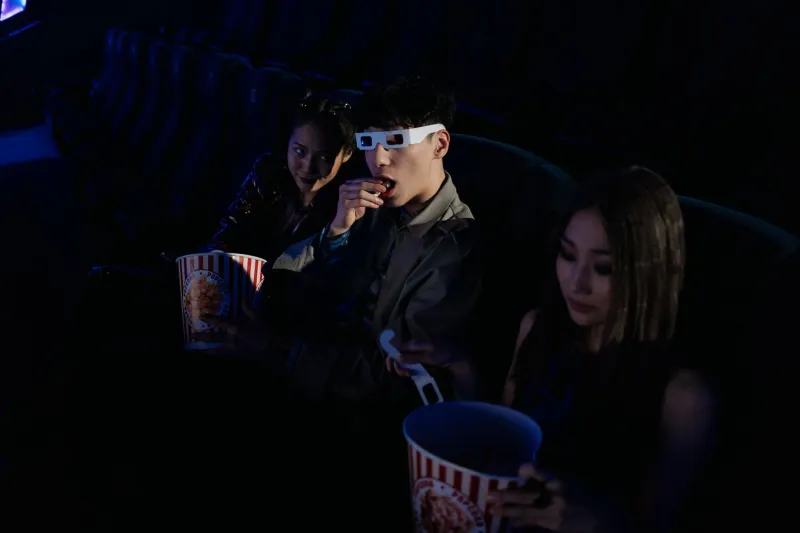
There was a time — not even that long ago — when discovering a great sci-fi show was almost accidental. You'd catch a trailer during a commercial break, a friend would lend you a DVD, or you'd stumble across something weird and wonderful while flipping channels late on a Friday night. The chaos was half the fun. These days, that serendipity has been replaced by something far more frustrating: a subscription-gated labyrinth where your next favorite show might be buried behind a platform you've never even heard of.
The streaming wars promised us everything in one place. What we got instead was everything scattered across everywhere — and a growing community of sci-fi fans who've had enough.
The Fragmentation Problem Is Real, and It's Getting Worse
Let's just say it plainly: keeping up with sci-fi in 2024 is expensive. If you want to watch Strange New Worlds you need Paramount+. For All Mankind lives on Apple TV+. Andor is Disney+ territory. Dune: Prophecy pulled people toward Max. And that's before you even get into the niche streamers — Shudder, Tubi, Peacock, Crunchyroll — each housing their own pockets of genre gold that most fans will never find organically.
A 2023 survey from Deloitte found that streaming fatigue is real and growing, with a significant chunk of US subscribers actively cutting services to save money. For sci-fi fans, that math gets painful fast. Cutting one service doesn't just mean missing one show — it means losing access to entire corners of the genre. And the algorithmic recommendation engines these platforms rely on? They're notoriously bad at surfacing anything outside the mainstream. Ask a hardcore fan how many times Netflix has recommended the same three shows in a row, and prepare for a rant.
The discovery experience — that electric feeling of finding something you didn't know you needed — has been quietly suffocated by content silos and engagement-optimized suggestion loops.
Fans Aren't Waiting for Platforms to Fix It
Here's the thing about sci-fi fans: they've always been problem-solvers. It's kind of baked into the fandom's DNA. So when the official infrastructure fails them, they build their own.
Across Reddit, Discord, and a constellation of independent forums, fan-curated recommendation systems have become genuinely sophisticated operations. Subreddits like r/scifi and r/printSF have developed community-maintained spreadsheets and wikis that catalog shows and films by subgenre, tone, decade, and even pacing style. Want hard sci-fi with a slow burn and no military elements? Someone's already built a filtered list for that. Looking for optimistic space opera that isn't Star Trek? There's a thread for it, maintained by people who clearly care more about your viewing experience than any algorithm ever will.
Discord servers have taken this even further. Several large sci-fi fan communities have dedicated channels where members post weekly picks, argue the merits of overlooked titles, and flag when something good is about to leave a platform. It functions less like a recommendation engine and more like a really well-read friend group — which, it turns out, is exactly what people were missing.
Watch Parties as a Discovery Engine
One of the more interesting grassroots solutions to emerge from all this fragmentation is the organized watch party. Platforms like Teleparty (formerly Netflix Party), Kast, and even Discord's built-in streaming features have made it easy for groups of fans to watch the same thing simultaneously, no matter where they're physically located.
But fans aren't just using these tools to rewatch favorites. They're using them as curated discovery events. A fan in Austin might host a monthly "deep cut" watch party, pulling something obscure from Tubi or a forgotten gem from the Paramount+ back catalog. Attendees come in blind, react in real time, and leave with a new title on their personal watchlist. It's the water cooler conversation and the recommendation rolled into one — and it's filling a social function that fragmented streaming completely destroyed.
Convention culture has picked this up too. Regional cons across the US have started incorporating "discovery screenings" into their programming — dedicated blocks where attendees watch something most of them haven't seen, facilitated by a fan programmer who provides context and kicks off a post-screening discussion. It's a format borrowed from film festivals, and it works brilliantly in a fandom setting.
The Fan Database Movement
Beyond social spaces and watch parties, a quieter but equally impressive effort is happening in the world of fan-built databases. Sites like the Internet Speculative Fiction Database (ISFDB) have existed for years in the literary world, but fans are now building and contributing to video-focused equivalents that go well beyond what IMDb offers.
These projects aim to do what no streaming platform's internal search can: let you slice and dice genre content by granular criteria that actually matter to fans. Not just "sci-fi" as a monolithic category, but first-contact stories, generation ship narratives, solarpunk aesthetics, cli-fi themes. The tagging systems these communities build reflect a genuine understanding of how fans think about the genre — something corporate content teams have consistently failed to replicate.
Some of these databases are also starting to map content across platforms, essentially functioning as a cross-service search layer. It's the kind of utility that a well-resourced tech company could build in an afternoon but hasn't, because it doesn't serve their business interest to make you aware of content on a competitor's platform. Fans built it anyway, for free, because they wanted it to exist.
What This Tells Us About Fandom Right Now
There's something almost poetic about the fact that streaming fragmentation — a problem created by corporate competition — is being solved by community cooperation. The platforms wanted to own your attention. Fans responded by owning the discovery process themselves.
This isn't just about convenience. For a lot of sci-fi fans, especially those who came up in an era of shared cultural moments around big genre releases, there's a genuine grief attached to the loss of collective discovery. When everyone was watching the same channel, talking about the same shows, the genre felt like a shared space. Fragmentation atomized that. The underground networks fans are building are, at least in part, an attempt to reconstruct that feeling — to make sci-fi fandom a communal experience again rather than a series of isolated individual subscriptions.
And honestly? The stuff they're building is better. More thoughtful, more human, more attuned to what genre fans actually want than any content algorithm has managed to deliver.
The streaming wars may have scattered us across a dozen platforms. But they also reminded us that fandom, at its core, has never needed a corporation to hold it together.